

Protecto 401 Ceramic EpoxyProtecto 401 Ceramic Epoxy
CALL TOLL FREE 1-888-SPEC401 or Email

Standard For Lining Ductile Iron Pipe and
Fittings For Sewer Service

QUALIFIED UNDER
ASTM E-96
ASTM G-95
ASTM B-117
  ASTM G-14
ASTM D-714
ASTM D-1308
Standard Test Methods
PROTECTO 401 Table of Contents

Spanish Version

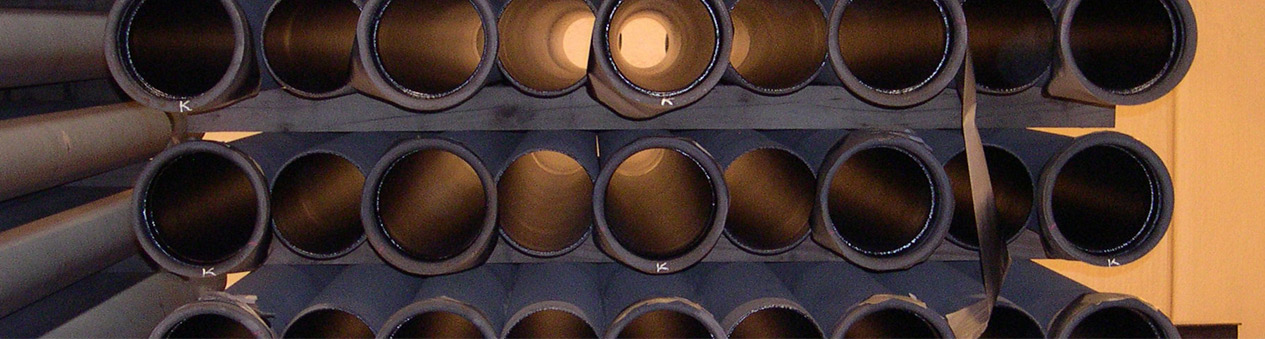
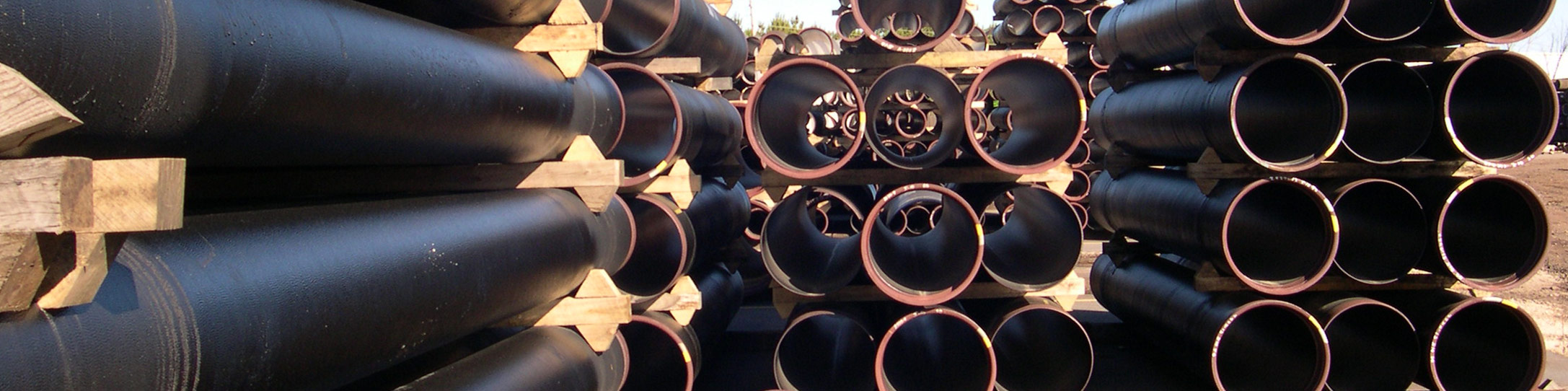
Protecto 401 lined ductile iron pipe and fittings provide the maximum protection and the strength necessary to do the job in tough sewer pipe applications. Protecto 401 has successfully been used in hundreds of sanitary sewer applications and has been proven with both laboratory testing and years of actual sewer service on all sizes of ductile iron pipe and fittings. The development of Protecto 401 was begun in 1979. The first ductile iron sewer pipe was lined and placed in service in 1981. Since then hundreds of miles of ductile iron sewer pipe have been lined with Protecto 401 with no lining failure.

Protecto 401 Pipe lining Because Protecto 401 Ceramic Epoxy Lining was designed and is used as protection for ductile iron sanitary sewer pipe, it provides the reliability of cement mortar lining with the excellent corrosion protection of novalac epoxy. This concentration of effort has resulted in performance unparalleled by other linings.

Protecto 401 has been tested extensively. The Table of Contents contains results of these tests and other data associated with lining for ductile iron sewer pipe. Because the specifications for application and testing of Protecto 401 Ceramic Epoxy have been developed for ductile iron pipe using test data and performance history, no deviations from the specification shall be permitted without prior written approval of the lining manufacturer. If required, third party inspection of Protecto 401 Ceramic Epoxy lined ductile iron pipe shall be done only after written notice to the applicator of Protecto 401 Ceramic Epoxy. Any third party inspection shall be accomplished using standard Protecto 401 Ceramic Epoxy Quality Control Procedures.

Protecto 401 is applied to the interior of ductile pipe and fittings utilizing specialized application equipment and a stringent specification. The lining is designed to be applied at a nominal 40 mils thickness. A nondestructive pinhole detection test and a thickness test is performed to insure a sound, chemically resistant protective lining for ductile iron pipe and fittings.

Protecto 401 is intended for use in domestic sanitary sewage lines. Chemical injection for odor control may damage pipe, gaskets, and/or protective linings and should be undertaken with extreme caution. Requests for industrial sewer applications of Protecto 401 lined ductile pipe and fittings should be made to a pipe marketing representative for individual recommendations.

Ductile iron pipe lined with Protecto 401 Ceramic Epoxy™ can only be pushed when using a restrained joint system that does not allow the spigot to contact the bell shoulder. The pipe may be pulled using restrained joint pipe or restraining gaskets as restraints. Restraining gaskets must never be pushed; nor should the pipe be homed all the way to the bell shoulder with restraining gaskets. Pushing or pulling ductile iron pipe lined with Protecto 401 Ceramic Epoxy™ using any other technique may damage the lining. Consult manufacturer's brochure for product application concerning pushing or pulling operations.

The practice of pulling a metal mandrel through Protecto 401 Ceramic Epoxy™ lined ductile iron pipe is not recommended and should be considered carefully. Most mandrels have legs with sharp edges produced by wear. Mandrels are usually the size of the interior diameter of PVC pipe and because ductile iron pipes are larger; these mandrels tend to ride on the edge of the center legs that may result in damage to the lining. Sizing mandrels should be plastic balls with grooves to allow passage of rocks, or metallic mandrels with a length greater than 1.5 times the pipe diameter with polyethylene or other plastic skid plates at pipe contact points.

CALL TOLL FREE 1-888-SPEC401 or Email


Logos and pictures shown are trademarks of their respective owners
Copyright © 2000-2006, Digital Trends Corporation